Why Is My Marmalade Bitter? 7 Common Causes and Fixes
You shred the peel, simmer it gently, test the set on a cold saucer, and then the first spoonful tastes like a rind soaked in syrup. Bitter marmalade is the complaint home cooks bring to a citrus batch more often than any other, and it is rarely a mystery. Bitterness in citrus lives in specific places — mostly the white pith and the membranes that wrap the segments — and a handful of small decisions during preparation decide how much of it ends up in your jars. Most causes are predictable, and most batches can be improved, even if they can't be turned back into something delicate.
1. Too Much Pith Left on the Peel
The white spongy layer under the zest is called the albedo, and it holds most of the bitter compounds in a citrus fruit. Zest itself is fragrant and only faintly bitter; pith is where the astringency comes from. If you shred peel with a thick band of white still attached, you are building bitterness into the batch from the first minute.
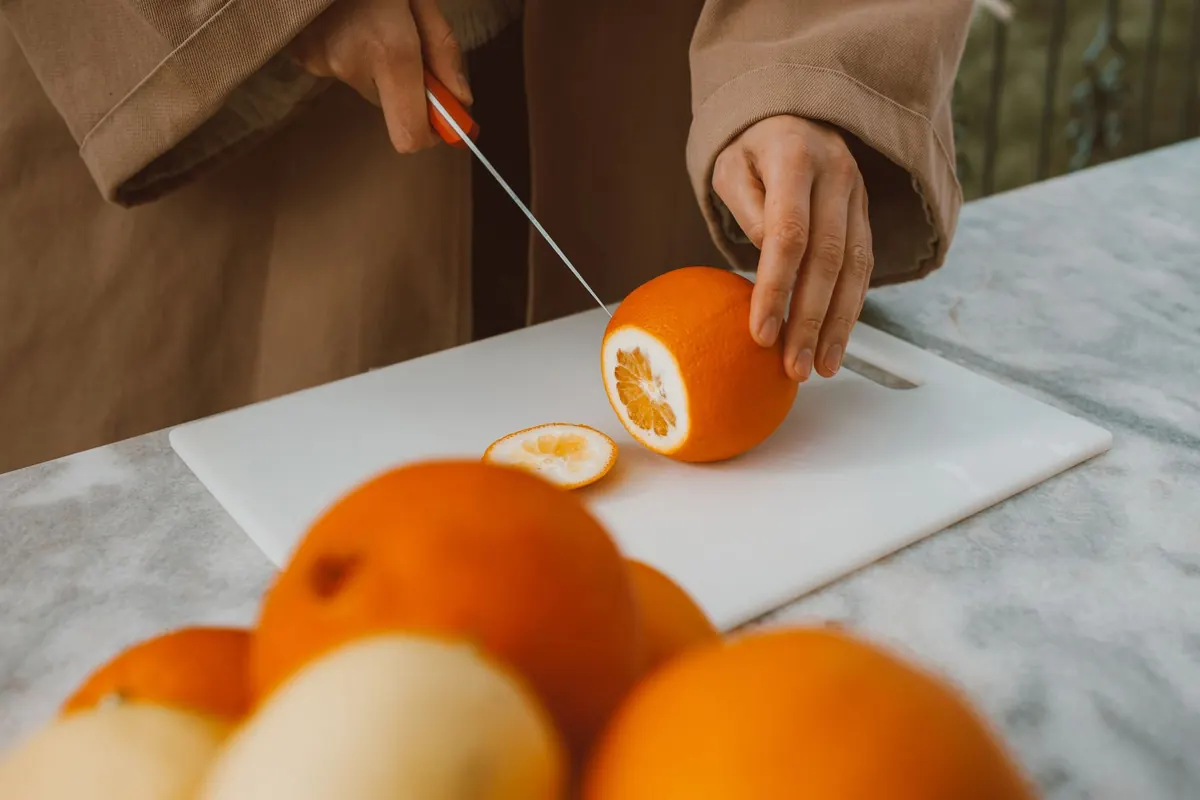
The fix is mostly technique. Lay each piece of peel skin-side down on the board and shave the pith away with a sharp knife held almost flat, or scrape it off with the edge of a spoon. Work until you can see the pale underside of the zest through the remaining white. Shreds about 2 to 3 mm thick are the sweet spot: thick enough to hold their shape in the jar, thin enough that the pith left behind stays in the background. When a recipe tells you to "slice the shells," it does not mean keeping every scrap of the white ends, where the pith is deepest.
A ten-second test
Before you commit, taste a sliver of the raw pith. If it makes you wince, it will make the marmalade wince too. If it is mild and slightly sweet, you have room to leave a little more on for texture.
2. Thick-Skinned Fruit and Bitter Varieties
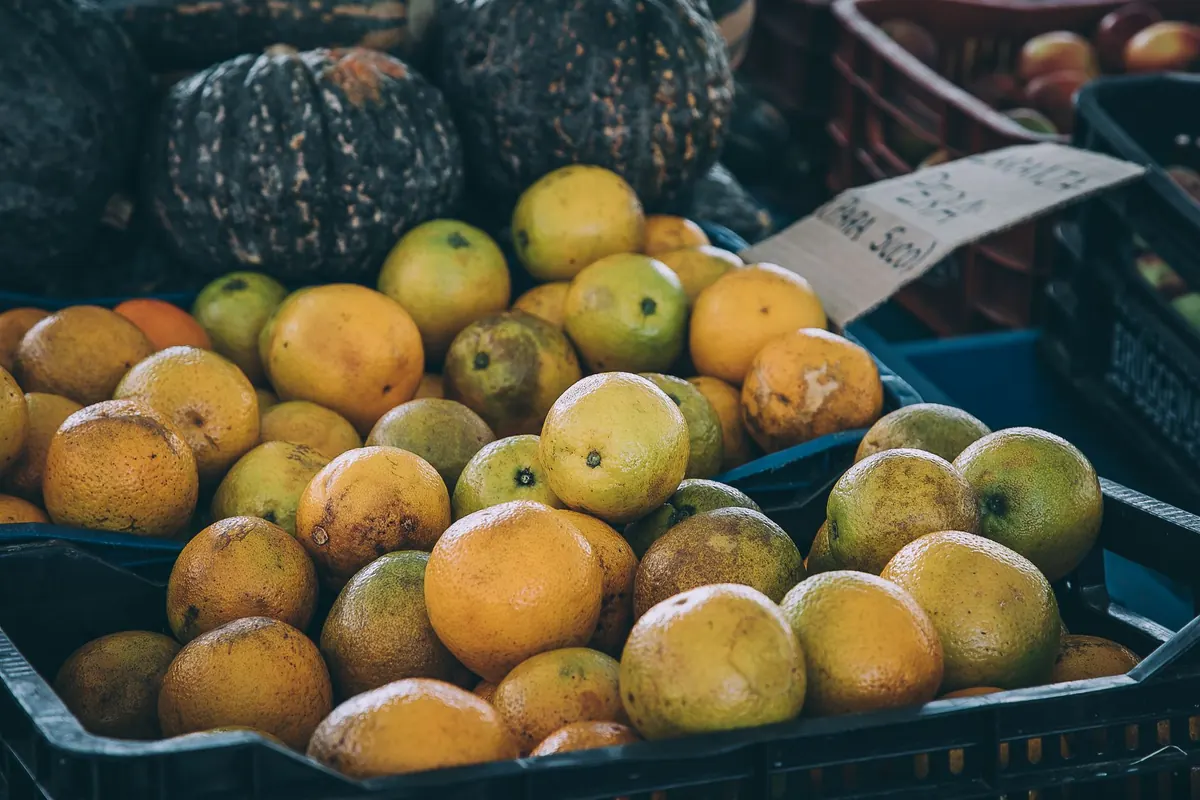
Fruit choice sets the floor for how bitter your marmalade can be. Seville oranges are the classic marmalade orange precisely because they are bitter, tart and high in pectin — that edge is the point. Grapefruit, pomelo and bergamot rind are similarly assertive, and pomelo in particular carries a very thick pith. Sweet oranges, blood oranges and mandarins are far milder, with mandarins being the gentlest of all.
If you want a softer, more breakfast-friendly marmalade, start with sweet oranges and add two or three lemons for acidity and pectin. If you are working with a thick-skinned grapefruit, cut the peel into finer shreds and blanch it (see below) before the main cook. A microplane also helps here: grated zest carries almost no pith, so a zest-based marmalade set with lemon or apple pectin is a good route for anyone who finds even well-trimmed shreds too bracing.
3. Overcooking, Over-Reducing and Scorching
Time and heat pull bitterness out of the peel and into the syrup. The longer peel simmers, the more it gives up — which is fine up to a point, and then it tips. Long, hard boiling also drives off water and concentrates everything, including the bitter notes. Keep the pan at a steady simmer rather than a rolling boil, and start testing for set earlier than you think you need to. Marmalade sets around 104–105°C (about 220°F) at sea level, and many batches reach that in 20 to 30 minutes once the sugar is in.
Scorching is a different problem with the same result. A patch of burnt sugar on the base of the pan tastes acrid and slightly bitter, and it will spread through the whole batch when you stir. Use a wide, heavy stainless steel or enamelled pan, stir right into the corners, and never walk away during the final ten minutes. If you smell caramel rather than citrus, take the pan off the heat immediately.
4. Seeds and Membranes Boiled Too Long
Seeds and the stringy membranes around the segments are the traditional source of pectin in marmalade, which is why so many recipes have you tie them in a muslin bag and simmer it with the fruit. That bag also holds bitter compounds. Left in for the whole cook, it turns from a setting aid into a flavouring you didn't ask for.
Keep the bag in while the peel softens, squeeze it gently against the side of the pan once or twice, then lift it out before you add the sugar and start the setting boil. If your recipe simmers whole fruit halves for hours, that is a long extraction — it works, but it is also why some old-fashioned recipes taste so bracing. Shorter simmering with finely cut peel gets you a cleaner flavour.
5. Underripe or Tired Fruit
Underripe citrus is more bitter and less juicy than fruit picked at the right moment, and no amount of trimming will fix it. Look for fruit that feels heavy for its size, with skin that gives slightly under your thumb. Avoid fruit with soft brown patches, and skip anything that has been sitting in a bowl long enough to wrinkle — the flavour goes flat and slightly harsh, which reads as bitterness in the finished jar.
6. Quick Fixes for a Bitter Batch
If the marmalade is already in the jar and the bitterness is mild, you have options. If it is genuinely unpleasant, you have fewer, but none of them require throwing the batch away.
- Add a pinch of salt. A small pinch stirred through a warm batch dampens our perception of bitterness. Taste after a few minutes before adding more.
- Balance with sweetness and acid. A spoonful of honey or a little extra sugar syrup rounds the edges; a squeeze of lemon sharpens the fruit so the bitterness feels intentional rather than accidental.
- Give it a few weeks. Marmalade mellows as it matures. A batch that tastes harsh on day one often settles into something pleasant after three or four weeks in a cool cupboard.
- Strain it into a jelly. Warm the marmalade with a splash of water, strain through muslin to remove the peel, then boil again to setting point. You lose the shreds but keep the flavour, and most of the bitterness goes with the peel.
- Use it where bitterness works. Bitter marmalade is excellent in a glaze for roast pork or duck, stirred into a vinaigrette, or served alongside a sharp cheddar, where the savoury contrast does the work.
Preventing It Next Time
Trim the pith properly and taste the raw peel as you go. Shred finely rather than thickly, and blanch the shreds — cover with cold water, bring to a simmer for two minutes, drain, and repeat once or twice — discarding the water each time. That leaching step costs you ten minutes and removes a surprising amount of bitterness. Keep the seed bag in only for the softening stage, simmer rather than boil, and stop cooking as soon as the set is right.
One last note on equipment: skip unlined aluminium pans, which react with citrus and give an unpleasant metallic edge that can read as bitterness. Stainless steel, enamelled cast iron or a preserving pan lined with stainless all work well. Soft water is also worth considering if yours is very hard; highly mineral water can make a batch taste dull and oddly harsh.
Write down what you did — fruit, shred thickness, blanching time, how long the boil ran. Bitterness in marmalade is not bad luck. It is a variable you can measure, taste and adjust, batch after batch, until your jars land exactly where you want them.
Photo: ROMAN ODINTSOV / Pexels