

Citrus Peel Prep Guide: Zest, Pith, and Pectin Explained
Marmalade is not jam with more skin in it. It is a preserve built around peel, and the peel does three jobs at once: it carries the perfume, supplies the bitterness that keeps the jar from tasting like candy, and holds most of the pectin that makes it set. Prep the peel well and a modest bag of oranges becomes something you ration out over months. Prep it carelessly and you are chewing through bitter leather. Here is what each layer contributes, and how to handle it.
The Three Layers of a Citrus Peel
A peel is not one substance. Under the colored skin sit two very different materials, and how you cut and treat them decides the character of the finished jar.
Zest, or flavedo
The colored outer layer. Every bit of it is packed with tiny oil glands, and those oils carry the aromatics — the reason a Seville orange smells like a Seville orange. The oils are volatile, so they fade with long, hard boiling. That does not mean you should avoid cooking them; it means the fresh top note you get from a microplane is a different thing from the deep perfume that survives an hour of simmering. Both are useful, and they are not interchangeable.
Pith, or albedo
The white sponge underneath. Raw, it tastes of almost nothing. Cooked, it is where most of the bitterness comes from — and also where a good deal of the pectin sits. That tension is the heart of peel prep. Every gram of pith you scrape away is brightness gained and body lost.
Membranes and seeds
The inner walls, the ragged core, the seeds: all pectin-rich, almost all bitter. Most recipes tell you to bundle them in muslin and simmer them with the fruit, then pull the bag before potting. This is the classic pectin bag, and it is doing real work.
Cutting Decisions That Show Up in the Jar
Shape matters as much as quantity. A few standard cuts, and what each gives you:
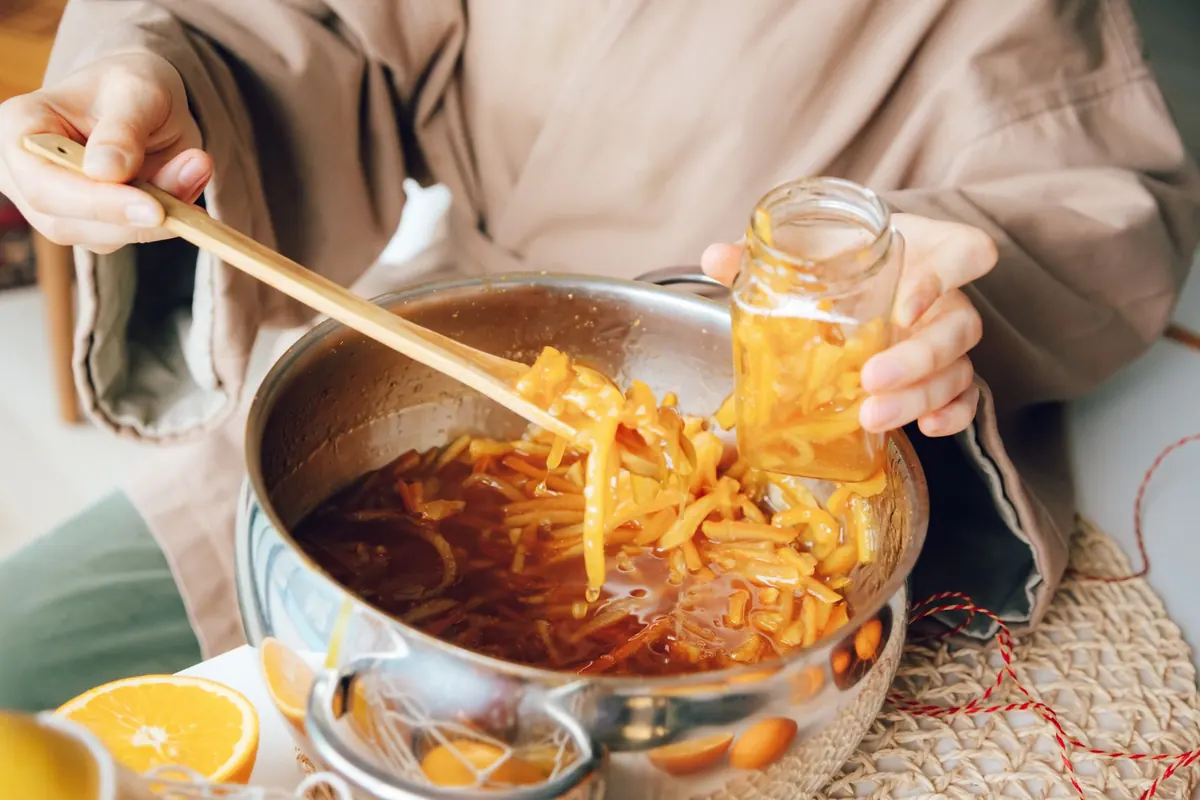
- Fine shred. Matchsticks roughly 1–2 mm wide. The classic Seville texture, tender and even, and the easiest to spread.
- Medium julienne. 3–4 mm. Holds its shape through a long cook; good for grapefruit and lemon.
- Chunky batons or chips. 6 mm and up. Bold and nearly candied, for when the peel should be the whole point of the toast.
- Ground or minced. Dark, dense, spoonable marmalade. Pulse in a processor — a purée will never set cleanly.
- Zest only. Grated peel with the pith discarded. Soft set, very bright, but you will usually need a pectin bag or commercial pectin.
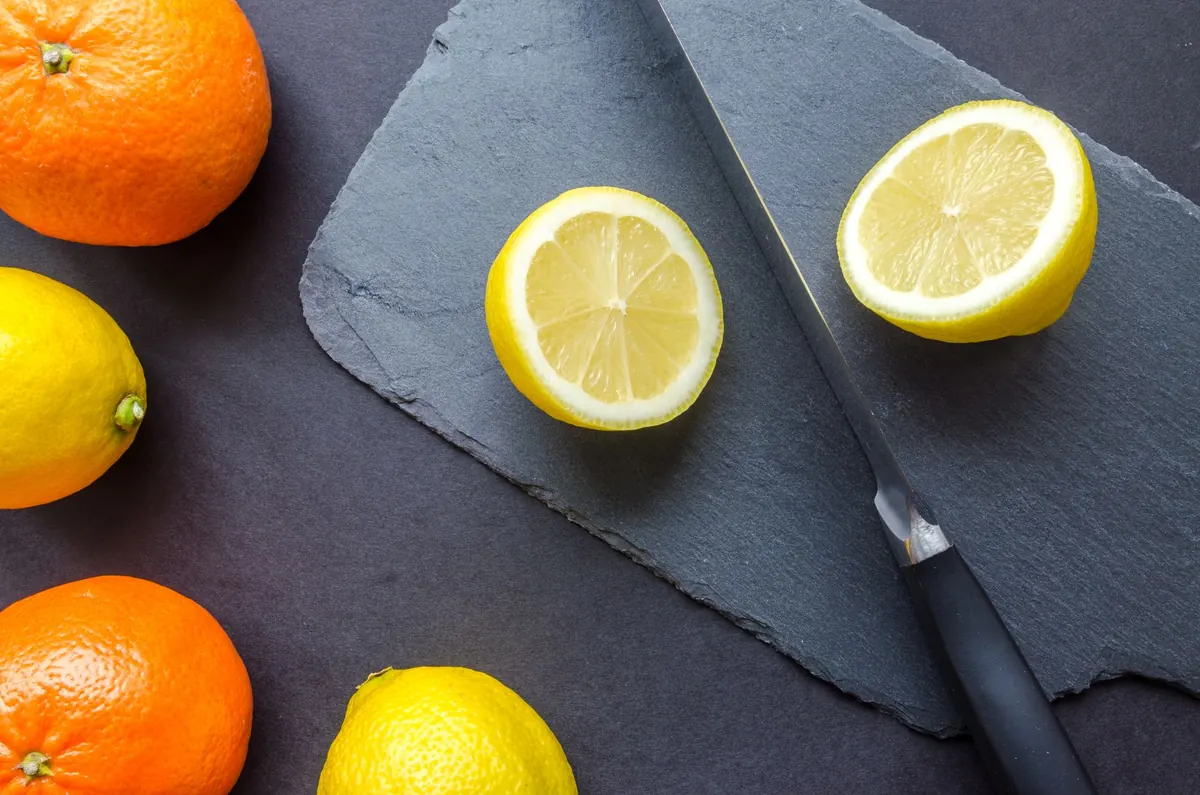
Consistency beats thinness. Even strips soften at the same rate; a mix of thick and thin gives you mush and leather in the same spoonful. A vegetable peeler makes wide strips with almost no pith attached. A sharp knife gives more control and lets you take the peel off in one piece, pith side up. For shredding, stack two or three strips and cut across them in one motion, keeping your knuckles clear of the blade.
Managing Pith Without Losing Your Set
How much pith you keep is a judgment call about the fruit in front of you. Pomelo, grapefruit, and thick-skinned oranges carry a heavy white layer; limes and mandarins carry very little. Three broad approaches:
- Trim hard. Scrape the pith off with a spoon until the peel is nearly translucent. You get a clean, bright, less bitter marmalade, and you will likely need a pectin bag or added pectin.
- Trim some, soak the rest. The middle path most cooks take. Leave a thin layer of pith for body and bitterness, then soak the shredded peel in cold water overnight or blanch it in several changes of boiling water. Soaking leaches some bitterness without stripping all the pectin; blanching is faster and more thorough, but it also rinses away aroma. Taste a shred after each blanch — when the bitterness is assertive but not punishing, stop.
- Keep most of the pith. For pomelo, Seville orange, or any fruit whose bitterness you actually want, leave a generous white layer and rely on long, slow cooking and sugar to tame it. The result is darker, thicker, and more old-fashioned. It can taste muddy if the pith was old or dry, so use fresh, heavy fruit.
There is no universal right answer. A lemon marmalade usually wants a lighter hand with pith; a bitter orange marmalade can carry a lot of it. If you are new to a fruit, start with the middle path. You can always trim more next time, but you cannot put pith back once it has been scraped into the bin.
The Pectin Bag, Step by Step
If you trim hard or use zest only, a pectin bag is your insurance. It is also the easiest way to avoid cloudy marmalade. Here is how to build and use one:
- Collect the seeds, inner membranes, core, and any clean pith you removed. Rinse them quickly to remove stray juice and pulp.
- Tie them into a square of muslin or a clean, undyed cotton bag. Leave room for the contents to swell; a tight bundle can trap flavor and release less pectin.
- Simmer the bag with the peel and water from the start. The pectin needs time and heat to move out of the membranes and into the liquid.
- Pull the bag when the syrup begins to sheet from a spoon, usually after 30 to 45 minutes of active simmering. If you leave it too long, the marmalade can turn gluey.
- Let the bag cool slightly, then press it against the side of the pan with a spoon. Do not wring or squeeze it hard; that forces in bitter compounds and cloudiness.
If the finished marmalade is still loose after the bag has done its work, you can return the bag for another 10 minutes and test again. If it is already too thick, a splash of hot water will loosen it before potting.
Soaking, Blanching, and the Bitterness Dial
Soaking and blanching are not just about removing bitterness. They also change texture, color, and how much aroma survives. Think of them as a dial rather than a switch.
- Cold soak. Overnight or 12 hours. Gentle. It pulls some bitterness from thick pith while leaving the peel firm and the perfume intact.
- Blanch once. Two or three minutes in boiling water, then drain and refresh under cold water. Faster than soaking, with a noticeable drop in bitterness and a slight loss of top notes.
- Multiple blanch. Three or four changes of boiling water. Best for very thick, very bitter pith. It can make even pomelo peel mild, but the peel will taste cleaner and less perfumed.
If the peel tastes slightly too bitter on its own, the finished marmalade will usually taste balanced; if it tastes pleasant raw, the jar may end up flat.
Acidity, Sugar, and the Finish
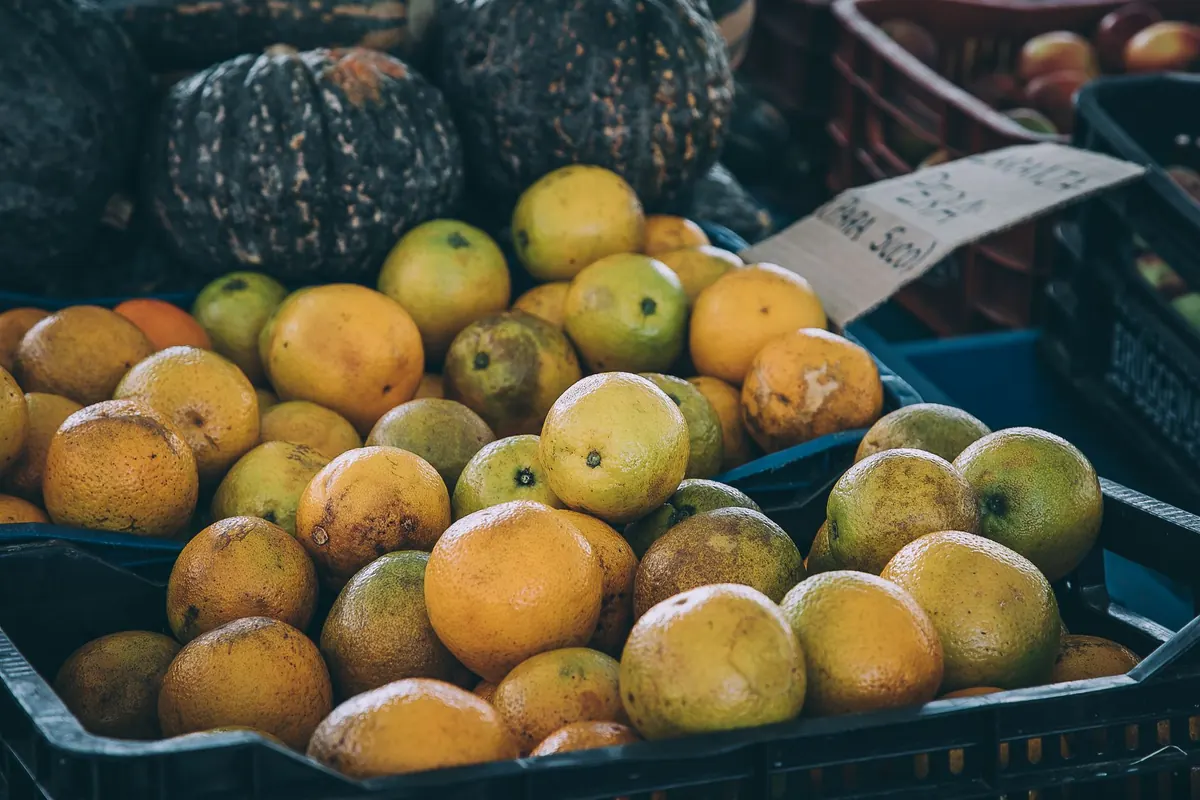
Acid and sugar are the other two levers that decide whether your peel prep succeeds. Pectin needs acid to set, and bitterness needs sugar and acid to become pleasant rather than harsh. Seville oranges bring both high acid and high pectin, which is why they are the classic marmalade fruit. Sweet oranges have less of each, so they often need lemon juice and a pectin bag. Grapefruit sits in the middle, with plenty of bitterness and moderate pectin.
A squeeze of lemon at the end of cooking can sharpen a marmalade that tastes dull. But add it late, after you have tested the set, because acid also affects how quickly the syrup jells. Sugar is not just sweetener: it preserves, thickens, and balances the peel’s edge. Do not reduce it drastically to make a “lighter” marmalade unless you are prepared to process the jars differently and accept a softer set.
Test for set on a cold saucer. Put a spoonful of syrup on the saucer, chill it for a minute, then push it with your finger. If it wrinkles and holds a trail, it is ready. If it runs back together, keep boiling and test again. This matters more with peel-heavy marmalades because the shreds can make the syrup look thicker than it is.
Common Peel Prep Mistakes
- Uneven cutting. Thick and thin shreds never soften at the same rate. You end up with crunchy bits in a soft jam.
- Discarding all seeds and membranes. Those are your free pectin. Unless you are adding commercial pectin, keep them in a bag.
- Boiling zest hard from the start. Aggressive boiling drives off the delicate oils. Bring the mixture to a simmer, then keep it there.
- Skipping the soak on thick-skinned fruit. Pomelo and grapefruit pith can overwhelm the jar if you rush straight to the sugar.
- Adding pectin too early. If you add commercial pectin before the peel has softened, you may set the syrup around tough shreds. Let the peel cook first.
Peel prep is the part of marmalade that rewards attention. Taste as you go, keep your cuts even, and treat the pith as a tool rather than a flaw. Do that, and the jar will taste of the fruit — bright, bitter, perfumed, and set just enough to hold a spoon.
Photo: Lukas Blazek / Pexels