Seasonal Marmalade Calendar: Which Citrus to Preserve Month by Month
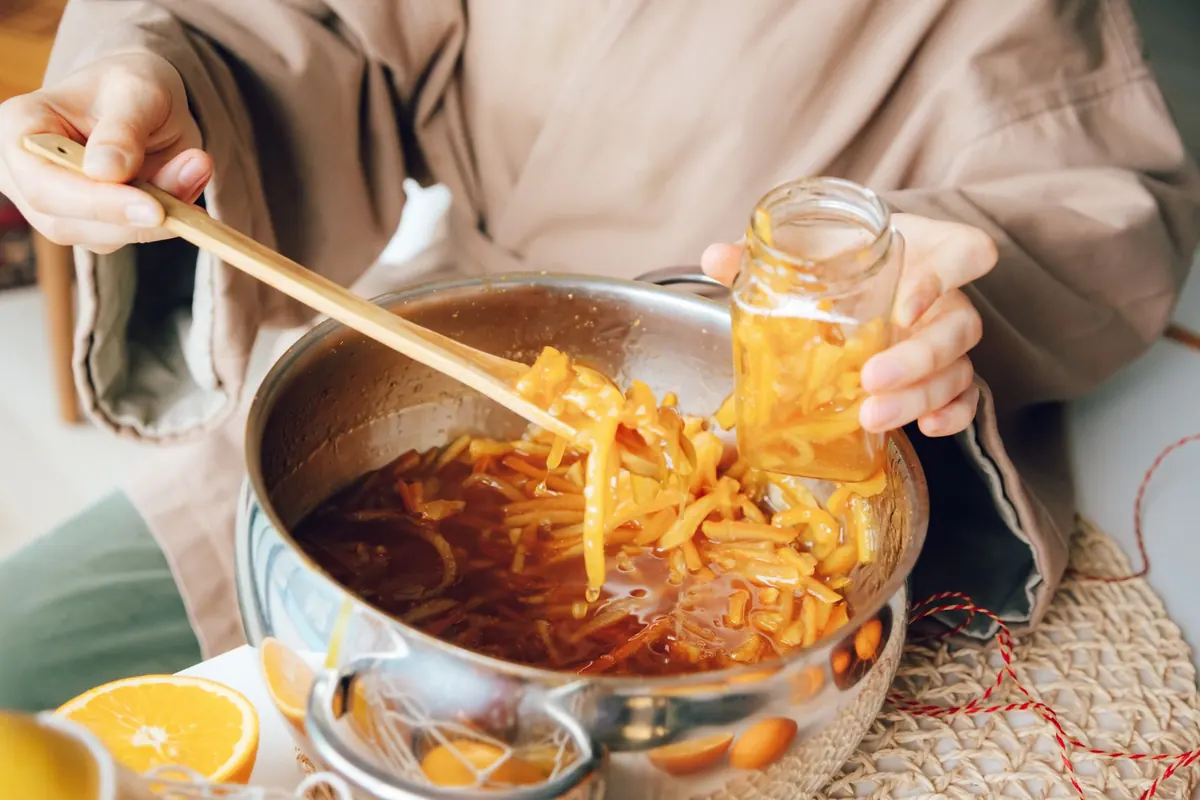
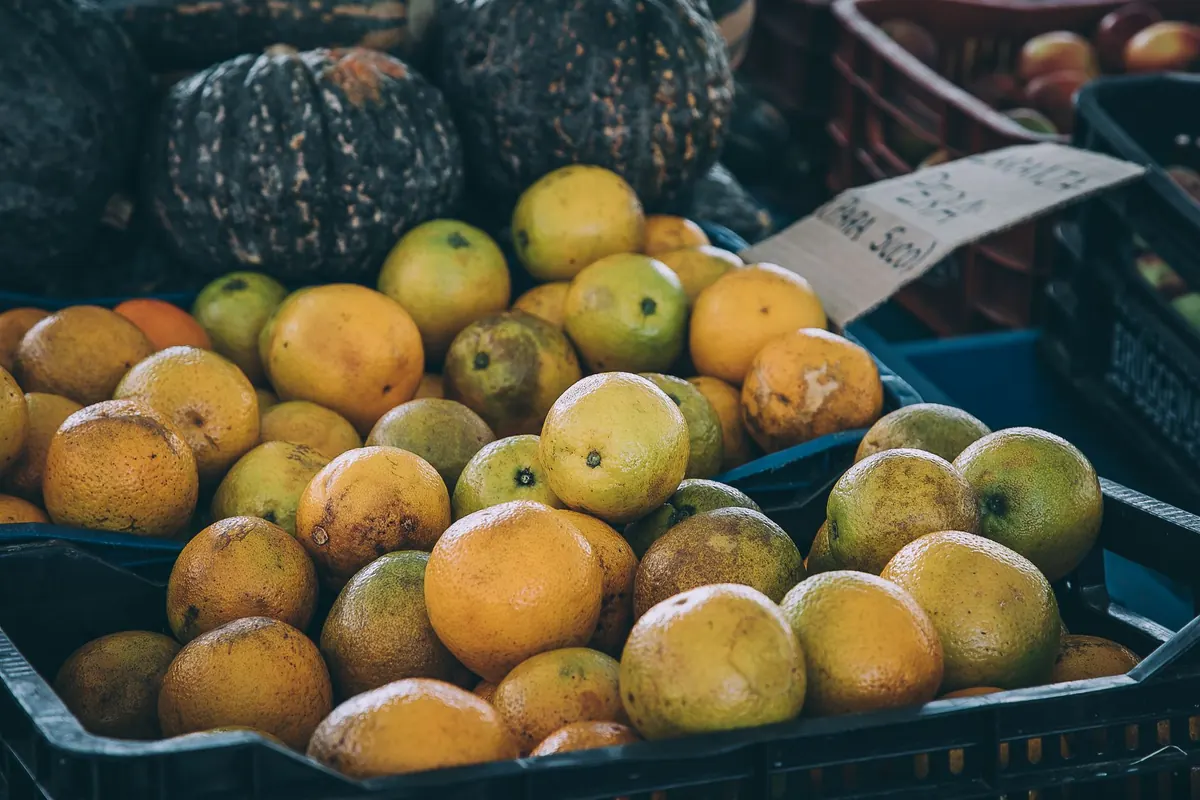
Good marmalade starts at the fruit stall, not at the stove. Oranges that have been off the tree for a month will give you a dull, thin preserve no matter how carefully you shred them. The same fruit caught at its peak needs almost no coaxing. Citrus seasons are short and surprisingly specific: Seville oranges, the backbone of a classic bitter marmalade, are gone by March and you will not see them again until next winter.
This calendar maps the main varieties to the months when they are worth buying, so you can plan a year of preserving around what is actually ripe rather than what happens to be stacked at the supermarket.
Late Winter: The Bitter Orange Window (January to March)
If you make one marmalade a year, make it now. Seville oranges arrive in late December or January and disappear by the end of February in most years, with a few stragglers into early March depending on the weather. They are bitter, heavy with pectin, and set a dark, firm, properly grown-up marmalade without any added gelling agent. Buy more than you need and freeze the surplus whole; the skins soften in the freezer, which makes shredding easier later.
Blood oranges overlap with Sevilles and are worth a batch of their own. Moro, Tarocco and Sanguinello peak from January into February. They are low in pectin and their colour fades with long cooking, so cut the peel fine, cook quickly, and add a lemon or two for set. Bergamot, that perfumed Calabrian citrus behind Earl Grey tea, also appears in this window if you can find it. Treat it as a flavouring rather than the bulk of a batch.
Taste a sliver of rind before you commit to a recipe. Bitterness varies from year to year and from grower to grower. A mild Seville may need extra pith and seeds in the muslin bag; a fierce one may want a little more sugar.
Spring: Lemons, Grapefruit and the Last of the Mandarins (March to May)
Grapefruit runs from late autumn into May, and this is its sweet spot. Ruby and Star Ruby give a pink marmalade with a pleasant astringent edge, though the rind takes a long, slow simmer to soften properly. Slice it thinly and give it a head start in water before the sugar goes in.
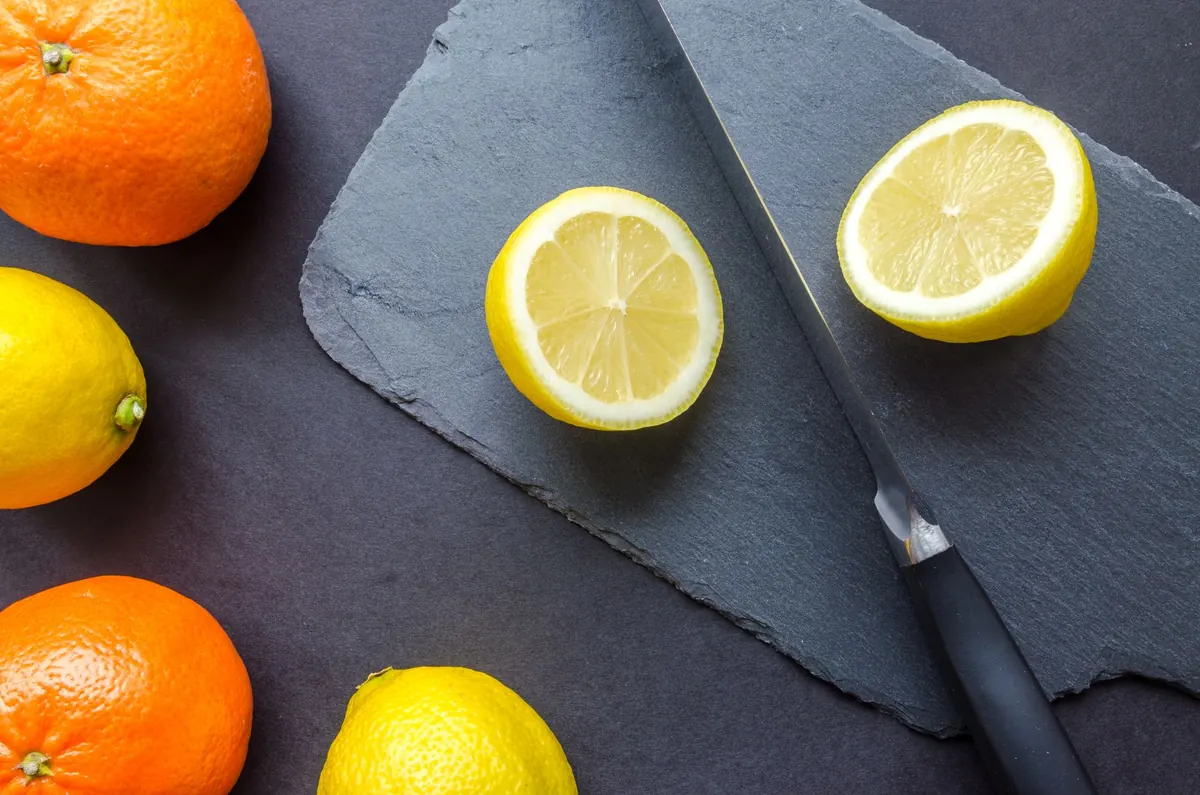
Lemons are available all year, but Eureka and Lisbon are at their heaviest in late winter and spring. Meyer lemons, thinner-skinned and floral, appear from November to March. They are lovely and low in pectin, so pair them with a regular lemon or a frozen Seville rather than expecting them to set alone.
Mandarins and tangerines are winding down by March. The tail end of the crop makes a soft-set, quick marmalade that needs far less shredding than an orange — good for a first attempt, or for anyone who prefers a gentler bitterness.
Summer: A Quiet Season, and What to Do With It (June to August)
Classic marmalade citrus is scarce in the northern summer. Limes are the exception: cheap, abundant in warm months even though they are sold year round, and excellent in a sharp, pale green marmalade that sets reliably because of their seeds.
This is also the season to use what you froze. A bag of whole Sevilles taken out of the freezer in July thaws overnight into fruit that shreds like a dream. Zest stripped and frozen in January does the same job. If you live in the southern hemisphere, shift everything here by roughly six months: Sevilles land in July and August, navels in June and August, and your preserving year runs opposite to the northern one.
Autumn: Kumquats, Yuzu and the First Tangerines (September to November)
Kumquats arrive in late autumn and run through winter. They are the easiest marmalade fruit there is — slice them whole, seeds and all, and let the seeds do the setting. Nothing to peel, nothing to waste.
Yuzu appears in late autumn and early winter in Japanese and Korean markets, and increasingly from specialist growers elsewhere. Its skin carries an extraordinary perfume and its seeds are generous with pectin, so a small quantity flavours a whole batch. Buddha's hand and other citrons turn up in the same months. These are peel-first fruits: shred or candy the rind, use the scant flesh for juice, and expect a firm, fragrant set.
Satsumas come in from October, followed by clementines. Their skins are delicate and their pectin modest, so cook them gently and be ready to accept a softer set.
Early Winter: Navels, Pomelos and the Gift-Making Season (November to December)
Navel oranges and Cara Caras start in November and run through March. Sweet orange marmalade is the one that trips people up: sweet oranges have less pectin than bitter ones, so include the pith and seeds in a muslin bag, or add the juice of two lemons. Pomelos appear now too, prized more for their thick, candied peel than their flesh. Clementines, mandarins and kumquats fill the shelves, which makes December the natural month for small jars, ribbons and giving.
The Year at a Glance
- January: Seville oranges, blood oranges, bergamot, Meyer lemons, kumquats, pomelos
- February: last of the Sevilles, blood oranges, Meyer lemons, grapefruit, kumquats
- March: blood oranges tailing off, grapefruit, lemons, kumquats, late Sevilles in cool regions
- April: grapefruit, lemons, late navels
- May: grapefruit, lemons
- June: limes, lemons, frozen fruit from the winter
- July: limes, lemons; southern hemisphere Sevilles
- August: limes, finger limes in warm regions, lemons
- September: early satsumas, finger limes, lemons
- October: satsumas, yuzu, first mandarins
- November: satsumas, clementines, kumquats, yuzu, pomelos, first navels
- December: Sevilles begin, blood oranges begin, clementines, kumquats, navels, pomelos
Building Your Own Local Calendar
These windows shift with variety, latitude and weather, so treat them as a starting point rather than a rule. The most useful thing you can do is ask growers directly. At a farmers' market, ask what is in now, what is coming next, and how long the crop will last. Then write it down.
Keep a notebook with the date, the fruit, the variety and how the set turned out. Within two seasons you will have a calendar tailored to your own region, which is worth more than any general list. A few habits help along the way:
- Buy by the case at peak and freeze what you cannot use within a week. Whole fruit, in bags, labelled.
- Label every jar with fruit, variety and date. A January Seville and a March one are not the same marmalade.
- Test for set with a chilled saucer rather than trusting the clock — fruit varies, and so does the pan.
- Make small batches of unfamiliar fruit first. Two jars tell you more than twelve.
- If you plan to store jars at room temperature, follow a tested preserving method for your jar size and altitude. If you are new to it, a reputable preserving guide is worth reading before your first batch; when in doubt, refrigerate and use within a few weeks.
Start with whatever is ripest this week. The calendar is a guide, but the fruit in your basket is the real instruction.
Photo: André Beltrame / Pexels