Natural Pectin in Marmalade: How Citrus Seeds, Pith, and Acid Work
A pan of amber shreds that refuses to set is one of the more humbling kitchen moments. You boil, you stir, you test, and still the spoon comes away slick. Then you make the same recipe a month later with different fruit and it sets like clockwork. The variable is almost always pectin: how much was in the fruit, how much you managed to coax into the pan, and whether the acid and sugar were in the right relationship to let it gel. Once you can see those three levers, marmalade stops being a gamble.
Where pectin hides in a citrus fruit
Pectin is a structural carbohydrate, part of the cell walls that hold fruit together. In citrus it is concentrated in the albedo, the spongy white layer beneath the zest, and in the seeds and the papery membranes between segments. The juice sacs themselves hold very little. That is why a marmalade built from juice and zest alone can simmer for an hour and stay liquid, while one that included the pith and a handful of seeds sets firm with far less fuss.
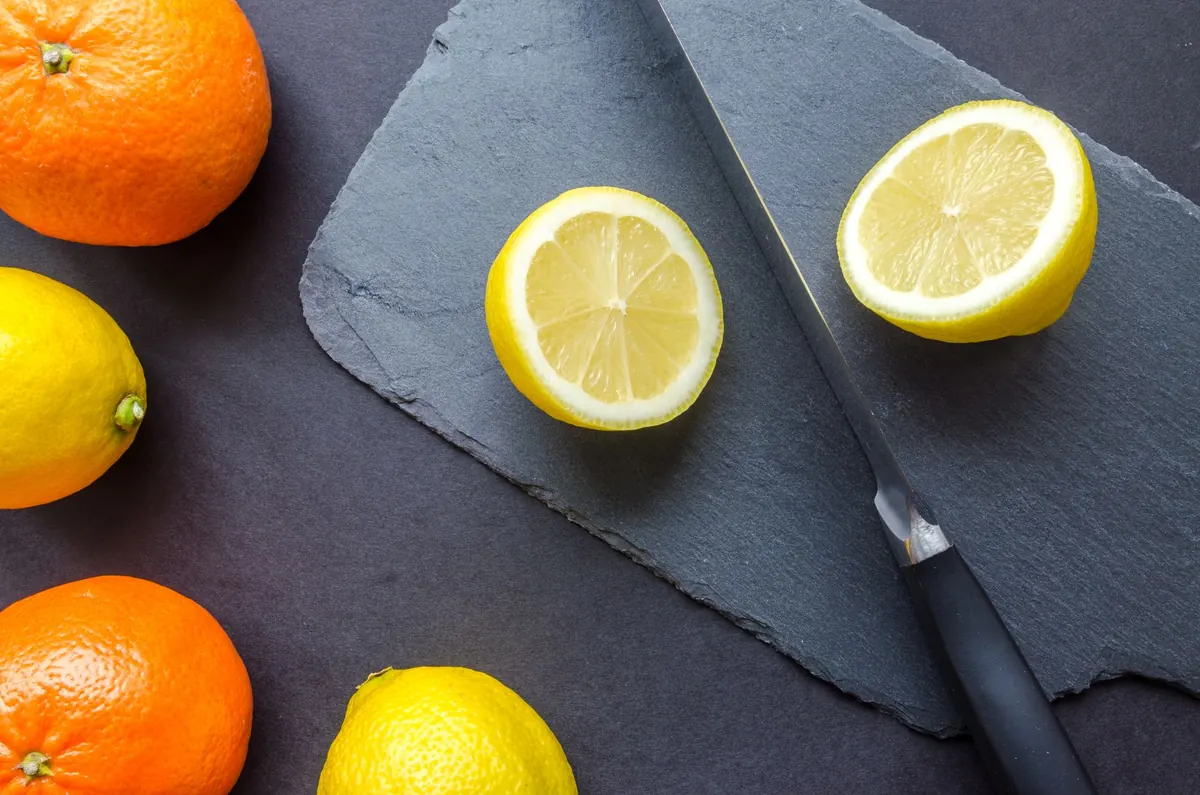
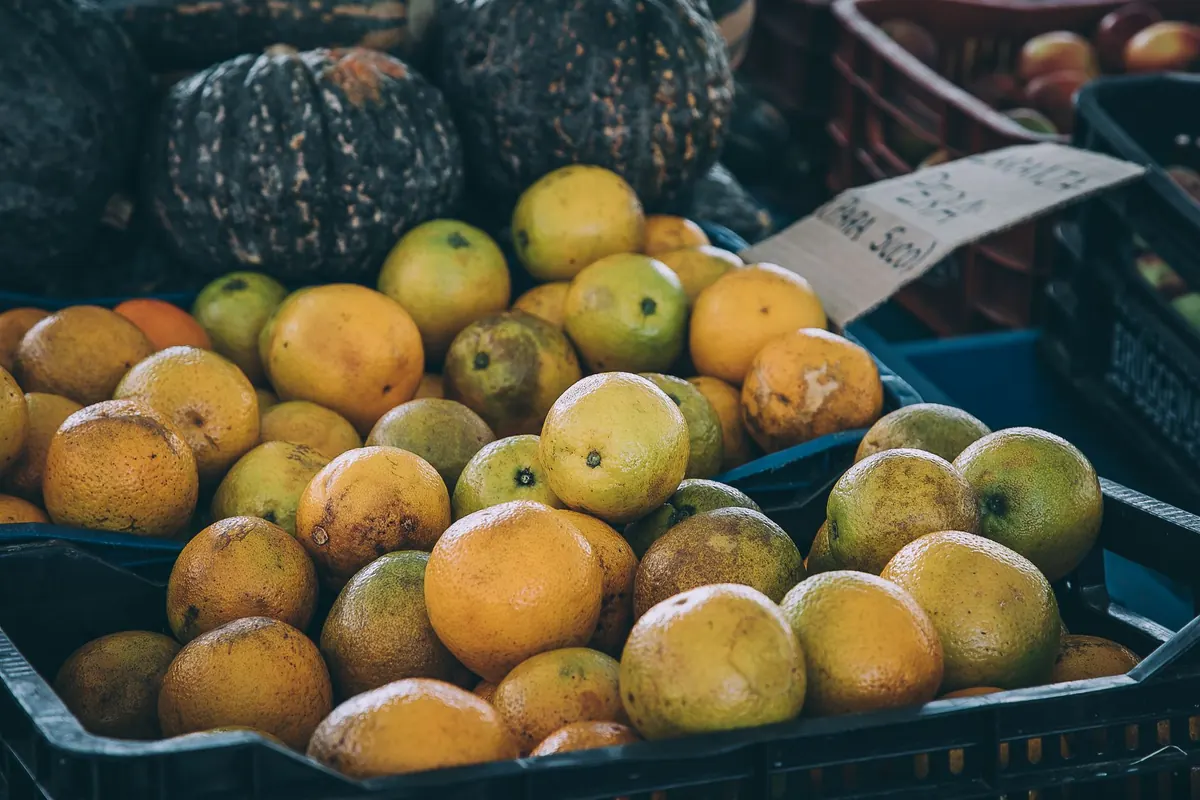
Variety matters as much as technique. Seville oranges, lemons and other bitter citrus are generous with pectin. Sweet oranges, mandarins and grapefruit are not, which is why so many sweet-orange marmalade recipes quietly include a lemon or two. Ripeness plays a part as well: as fruit matures, enzymes break pectin down, so a firm, barely ripe lemon carries more setting power than a soft, fully ripe one from the bottom of the bowl.
The three-way relationship: pectin, acid, sugar
Acid gives pectin permission to gel
Long pectin chains carry a slight negative charge, which keeps them apart. Acid lowers the pH and neutralises enough of that charge for the chains to approach each other and form a network. Citrus juice and peel are already acidic, which is the main reason marmalade is easier to set than most jams. Dilute a batch with too much water, or lean heavily on very sweet oranges, and the acid thins out. A squeeze of lemon at the start — one lemon per kilo of fruit is a reasonable habit — brings the pan back into range. Acid also helps draw pectin out of the pith while the fruit simmers, so it is doing two jobs at once.
Sugar ties up the water
Sugar is not just for sweetness. It binds water so the pectin strands can find each other instead of floating in a dilute sea. Too little sugar and you get syrup no matter how long you boil. Too much and the set turns stiff, rubbery or grainy, sometimes before the shreds have softened properly. Most marmalade recipes settle near equal weights of sugar and cooked fruit mixture, which sits in the comfortable middle. Whatever ratio you use, stir until the sugar has fully dissolved before you raise the heat. Undissolved grains catch on the bottom of the pan and scorch.
Heat extracts, then destroys
Pectin needs heat to dissolve into the liquid and again to set, but it is not indestructible. A long, furious boil past the setting point can break down the network you were trying to build. Simmer gently first to soften the peel and release the pectin, then boil hard only at the end, in short bursts, testing as you go.
The muslin bag, and why it matters
Seeds and pith are the richest pectin source in the fruit, but they are also the bitterest. A bag solves the conflict: it lets the pectin out while keeping the solids contained.
- Tie the seeds, membranes and any spare pith into a square of muslin or a jelly bag.
- Simmer the bag alongside the peel and water for 20 to 30 minutes.
- Squeeze the bag against the side of the pan with a spoon, then lift it out before you add the sugar.
That squeeze is not optional. The thick liquid inside the bag is exactly the pectin you want, and letting it drip passively wastes most of it. Leaving the bag in for much longer than half an hour, on the other hand, pulls out more bitterness than most people enjoy — especially with thick-pithed fruit.
Reading your fruit before you cook
- Firm, just-ripe fruit: more pectin, sharper flavour, faster set.
- Soft, late-season fruit: less pectin, longer boil, softer set.
- Bitter oranges and lemons: naturally generous with pectin.
- Sweet oranges, mandarins, grapefruit: low pectin; add a lemon or a bag of seeds.
- Fruit that has sat in a warm kitchen for a fortnight: enzymes have been busy; expect a weaker set.
Testing for a set, honestly
Do not trust the clock in the recipe. Your pan, your fruit and your water are different from the ones the recipe was written on. Put a small plate in the freezer before you start boiling. Drop a teaspoon of marmalade onto the cold plate, wait half a minute, and push it with your fingertip. If the surface wrinkles, it will set. If it slides around like syrup, keep boiling in five-minute bursts and test again.
A thermometer works too: marmalade sets around 104 to 105°C (roughly 220°F) at sea level. At altitude the boiling point drops, so that number shifts — another reason the plate test is the more reliable habit.
Test, don't guess. A marmalade that passes the wrinkle test will set; one that hasn't, won't — no matter what the recipe promised.
Always pull the pan off the heat while you test. At a rolling boil, a mixture can cross the setting point in under a minute, and there is no undoing that.
When it still will not set
Loose marmalade is not a failure, just an unfinished one. Work through these in order before you reach for anything else.
- Boil again in short bursts. Five minutes, then re-test. You are driving off water and concentrating the sugar.
- Add acid. A tablespoon or two of lemon juice, then five more minutes at a boil. This helps more often than people expect.
- Add pectin. A simmered bag of lemon seeds and pith, or a sachet of commercial pectin cooked to its own instructions. Commercial pectin still needs acid, so add lemon juice too.
- Wait a week. Some batches firm up noticeably over several days in the jar. Give it time before you open everything and start over.
If the opposite happens and the batch sets too stiff, warm it gently with a little water or orange juice until it loosens, then re-jar it. Stiff marmalade also makes a fine glaze for roast ham or a cake, so nothing needs to go to waste.
A short checklist before you seal the jars
- Did the pan include pith, seeds, or a whole lemon's worth of pectin?
- Was there enough acid to let the pectin gel?
- Did the sugar dissolve completely before the hard boil?
- Did you test on a cold plate rather than watching the clock?
- Did you stop boiling the moment the set arrived?
None of this needs special equipment. A muslin square, a lemon, a plate in the freezer and a thermometer if you have one will carry most batches. Keep a note of what you used — fruit, weight, how long it boiled, how it set — and within two or three seasons you will know your own kitchen's version of the recipe better than any book can tell you.
Photo: Mikhail Nilov / Pexels